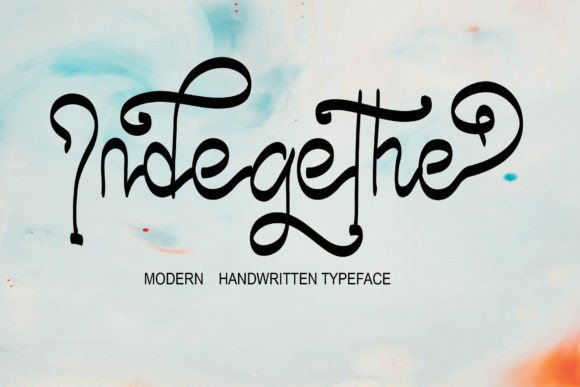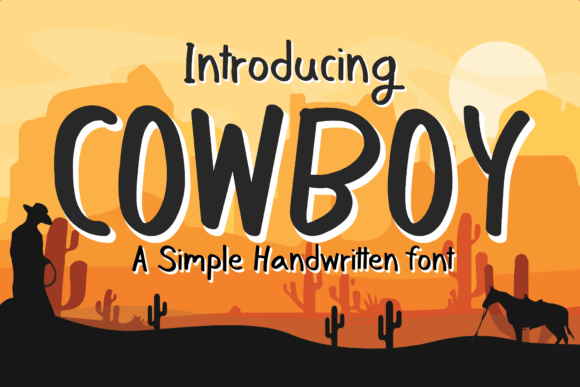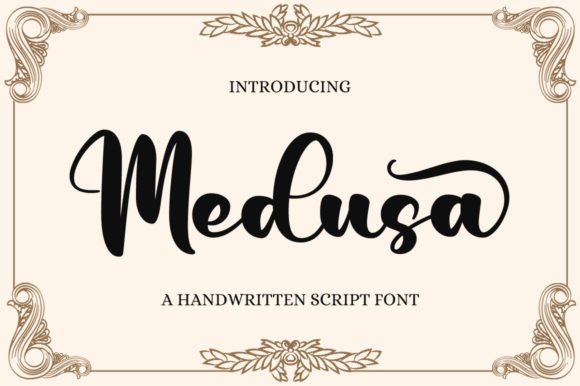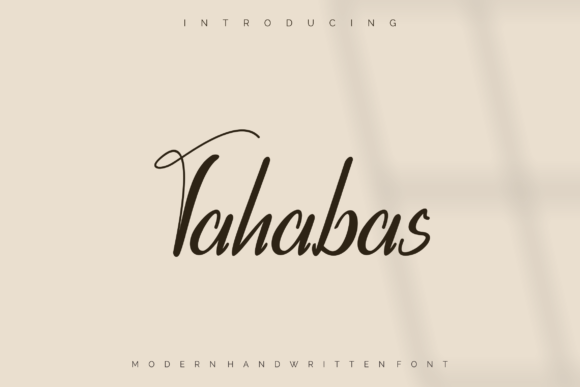
Brain: A Modern Handwritten Font That Elevates Handmade Product Design
As I sat at my desk adjusting the layout for a new line of candle labels, I knew the font choice would make or break the design. The soft glow of soy candles deserved a label that felt warm, personal, and elegant. That’s when I opened up my design software and selected Brain — a modern handwritten font that had caught my eye during a late-night design session. From the moment I typed “Lavender Fields” in Brain, I knew I had found the perfect match.
What Makes Brain Stand Out in a Crowd of Script Fonts
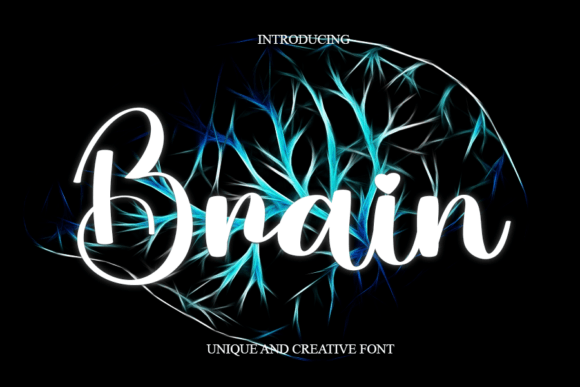
Brain isn’t just another script font. It carries a unique blend of modernity and charm, with smooth curves and a natural rhythm that mimics real handwriting. It’s the kind of font that feels intentional without being too formal — perfect for makers who want to add a personal touch to their product designs. Whether it’s for a boutique tag, a greeting card, or a digital printable, Brain brings a sense of warmth and authenticity that resonates with customers.
From Labels to Invitations: Real Uses for Brain in Handmade Design
I first used Brain for a custom candle label project. I wanted something elegant but not overly ornate — something that would look good both in print and on social media. I paired it with a clean sans serif for the product name and ingredients, and the contrast worked beautifully. The fluid strokes of Brain gave the label a soft, artisanal feel that aligned perfectly with the brand’s natural aesthetic.
Later, I used it for a set of wedding invitations. The couple wanted a rustic, romantic vibe, and Brain’s flowing letters added just the right amount of whimsy. I especially appreciated the font’s ligatures and swashes, which allowed me to create elegant flourishes on names and key phrases. It also looked stunning on a welcome board for a bridal shower — the kind of detail that guests notice and remember.
How Brain Enhances Product Presentation and Branding
When you run a small handmade business, every detail counts. Typography is a powerful tool for shaping how customers perceive your products. Brain helps elevate simple items like stickers, tags, and planner pages by adding a polished, intentional design element. It’s not just about looking good — it’s about creating a consistent brand voice that customers can recognize and trust.
I’ve used Brain across multiple product lines, from seasonal holiday tags to boutique packaging for a local soap maker. Each time, the font helped reinforce the brand’s personality — approachable, creative, and thoughtful. When customers see Brain on a product, they instantly associate it with quality and care.
Readability and Practical Design Tips for Using Brain
While Brain is stunning, it’s best suited for short phrases, titles, and decorative text rather than long paragraphs. This makes it ideal for product labels, signage, and greeting cards where you want to draw attention to a specific word or phrase.
When working with cutting machines like Cricut or Silhouette, I recommend using a slightly larger size for intricate letters to ensure the curves remain crisp. For small stickers or tags, I sometimes simplify the design by removing swashes or alternate characters to maintain clarity.
When preparing digital mockups or preview images for an Etsy listing, I always test how Brain looks at different zoom levels. What looks beautiful on screen should also be legible when scaled down for thumbnails or mobile viewing.
Font Pairing Ideas to Bring Out Brain’s Best Features
One of the joys of working with Brain is how well it pairs with other fonts. I often combine it with a minimalist sans serif like Montserrat or Lato for body text or secondary details. The contrast between Brain’s flowing script and a clean sans serif creates a balanced, modern look that works well for invitations, planner pages, and digital downloads.
For a more vintage or rustic feel, I pair Brain with a serif font like Playfair Display or Cinzel. This combination is especially effective for farmhouse-style wall art or boutique packaging. If I’m designing something bold and playful, like a seasonal mug or tote bag, I’ll use Brain for the main title and a chunky display font for supporting text.
What to Check Before Using Brain in Commercial Projects
If you’re planning to use Brain in your handmade business, always verify the font’s licensing terms. Most premium fonts like Brain come with a commercial license, allowing you to use them in physical products, digital templates, SVG designs, and printables. However, it’s wise to double-check what’s included — especially if you’re selling on platforms like Etsy or creating digital downloads.
Also, take a look at the font’s included styles. Brain typically offers multiple alternates, ligatures, and swashes, which can be accessed through design software like Adobe Illustrator, Canva, or Procreate. Make sure the font supports the languages you need, especially if your audience is international.
Final Thoughts: Why Brain Belongs in Your Design Toolkit
Whether you’re printing labels for candles, designing wedding stationery, or creating digital wall art, Brain is a versatile and expressive font that brings your handmade products to life. It’s more than just a typeface — it’s a design asset that adds personality, professionalism, and warmth to your creative work. Once you start using Brain, you’ll find yourself reaching for it again and again, knowing it’s a font that truly enhances your brand’s visual identity.